Can coeliacs take protein powder?
I celiacs are increasingly numerous. Those who do sports or who leads a specific diet in which an additional amount of protein is required, e.g. vegans, may need protein supplements to meet their needs. In such cases, take protein powder becomes necessary. Not all protein powders, however, are gluten-free. Here is a guide for coeliacs who want/need to take protein powder.
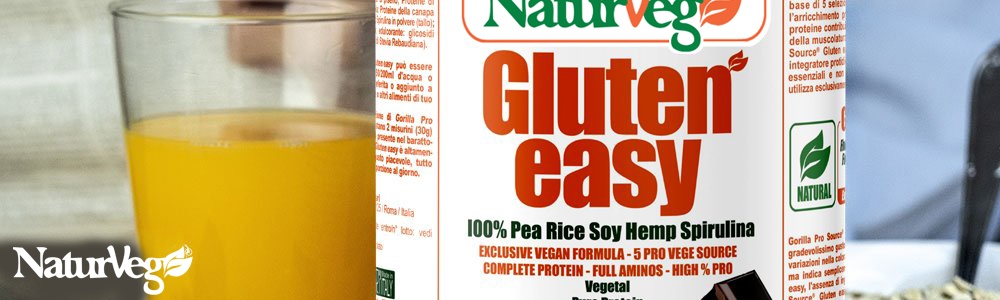
Protein: why is it important?
Le proteins are (after water) the most abundant biological molecules in the human body and in all living organisms.
Their name alone underlines the fundamental importance they have for thebody: 'protein' is derived from the Greek pròtoswhich means first o which occupies first position.
Proteins, in fact, are indispensable for the body, fulfilling functions:
- - plastic/structural or support type, e.g. the collagen which forms the connective tissue or keratin of nails or hair;
- - protective substances such as fibrinogen, which enables blood clotting, or the antibodies which the body produces to defend itself against bacteria and viruses;
- - transport, e.g. the haemoglobin of the red blood cells of the blood, which distributes oxygen to the cells;
- - depot, e.g. ferritin, a protein that retains the iron which the spleen obtains from the demolition of old red blood cells;
- - that favour the muscle contractionsuch as actin and myosin, which allow muscles to shorten and lengthen while doing their job;
- - regulators carried out by the enzymes, proteins that act as catalysts by accelerating biological reactions without being modified.
Proteins are formed by the amino acidswhich join together to form long chains. There are 20 protein amino acids, and their precise sequence in the chains determines the form and function of proteins. Since the body is unable to synthesise some of them, called essential amino acidsyou need to take them in every day through thepower supply.
What is protein powder?
Le protein powder are nothing more than proteins extracted - i.e. separated from the other components found in food - from both animal sources, such as eggs and dairy products, and vegetablessuch as peas and rice, and pulverised.
Protein powders are of three types:
- – protein concentrateswhose powder consists of 60-80% protein and the remaining 40-20% carbohydrates and fat. In these cases, the extraction process requires heat, acids and enzymes;
- – protein isolate. Here, the powder is formed from 90-95% protein, and is obtained by subjecting the extract to a second filtering process, which helps to remove carbohydrates and fats;
- – protein hydrolysates. In this case, the protein extracts undergo a further 'refining' step and are hydrolysed, i.e. they are broken down into smaller and smaller parts, thus becoming more digestible or requiring shorter digestion times.
-
Protein powder: the types
There are various types of protein powder. These differ according to the source(s) from which they are extracted. As specified above, protein powders can be either animal- or vegetable-derived.
Below is a list of the most popular protein powders.
Milk serum
Otherwise known aswhey protein". It is a protein mix obtained from the liquid part of milk (i.e. whey) from cheese processing. It is considered a complete protein source and is easily absorbed. Protein from the whey are available both concentrated and isolated.
Casein
It contains 80% of total protein. Its main characteristic is that it is slowly absorbed, feeding the muscle mass for longer than other proteins. For this reason, it is mainly taken after a training session to promote the muscle recovery.
Egg white
It is a complete protein mix, used as a replacement for milk protein for those who are allergic to dairy products. Being low in carbohydrates, protein powder from theegg white are perfect for those on a diet low carb. They are highly digestible.
Soya
For those who lead a vegan dietsoy protein powder is one of the most popular. As a source capable of supplying all the amino acids required by the body, it is perfect for satisfying the protein requirements of the body. It is in fact widely used by sportsmen and women.
Pea
Another excellent source of protein is peas, which contain arginine, an amino acid that releases insulin and growth hormones. But pea protein powder is also rich in other amino acids that stimulate the production of muscle proteins. Furthermore, data from some studies show that it lowers the blood pressure.
Hemp
Protein powder from hemp contain all the essential amino acids and are easily digestible. Hemp is also an excellent vegetable source of essential fatty acids, antioxidants, vitamins, minerals, fibre, chlorophyll.
Rice
Another protein powder widely used in vegan diets is that derived from rice. The rice proteinin fact, are known to increase the strength and recovery of muscles when doing regular physical activity.
Mixed protein powder
This type of protein powder is widely used because it combines the benefits of different protein sources, making it a 100% complete protein mix.
Coeliacs: protein powder, is there gluten?
Whether you use protein powders of vegetable origin or consume those of animal origin, there is a possibility that the powder contains gluten. How can you tell if a protein powder supplement is for celiacs? Simple, just look at the label and search for those where it is specified that they are gluten free. Avoid, even if the specified ingredients appear to be gluten-free, using protein powders that do not explicitly state 'gluten-free'.gluten-free".
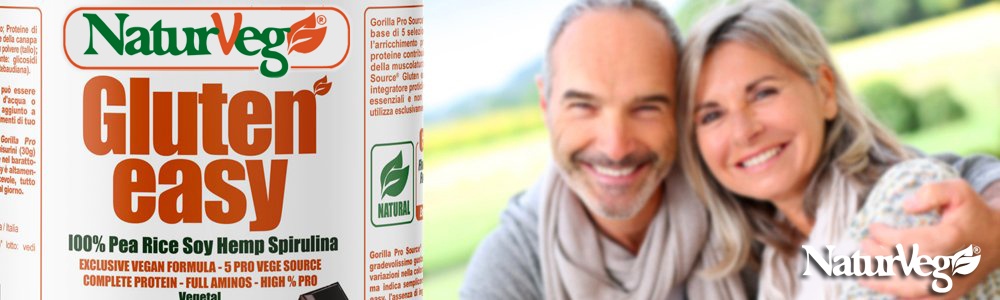
Coeliacs: vegetable protein powder
Coeliacs, i.e. those who are intolerant to gluten, usually find it more difficult to obtain certain nutrients through food, as they cannot eat certain types of food. These difficulties are accentuated if the coeliac leads a vegan diet. In these cases, in order to meet the protein requirements of the human body, it is important to take protein powder that is both gluten-free and vegetables.
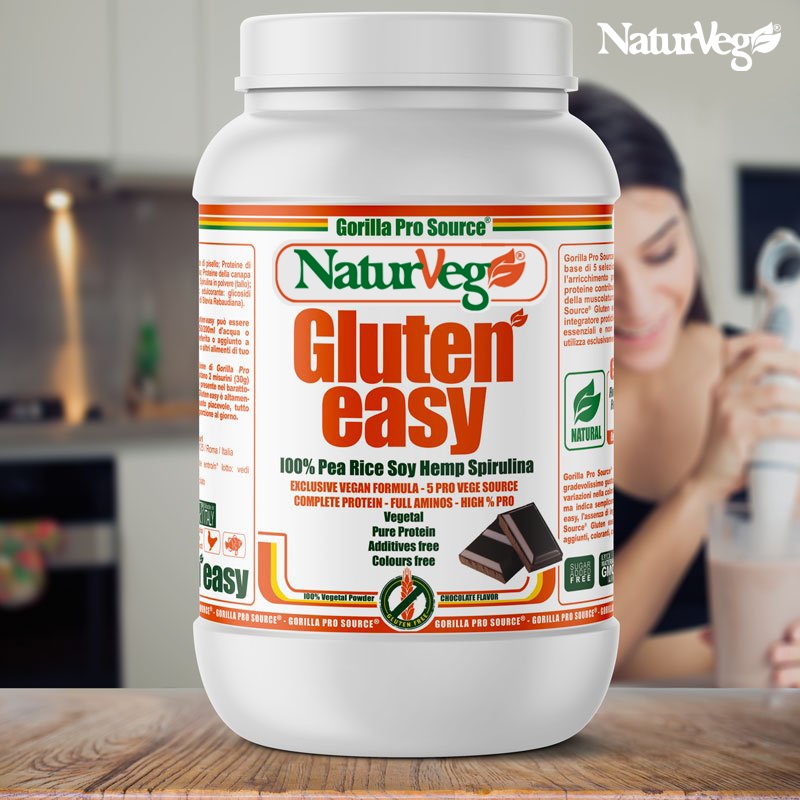
Gluten Easy is the100% vegetarian gluten-free supplement from NaturVeg.
NaturVeg Gluten Easy is a product specially designed for those who are sensitive or intolerant to gluten, and is suitable for sportsmen and women or those seeking a complete protein sourcedigestible, natural and completely vegetable.
To the four vegetable proteins of pea, rice, soya and hemp, NaturVeg Gluten Easy combines the strength of the spirulinaan algae with a purifying and detoxifying effect, containing proteins, amino acids, minerals (calcium, iron, magnesium, potassium, selenium), vitamins (B, A, C, E), omega-6 and gamma linolenic acid.
Plant proteins used in products NaturVeg are strictly NO GMOS and contain no preservatives, sweeteners, flavourings or colourings.
You might be interested in:
- Vegan protein shakes: 6 easy recipes
- Albumin and the vegan diet: here are the main alternatives
- Differences between animal and vegetable proteins
Altri articoli
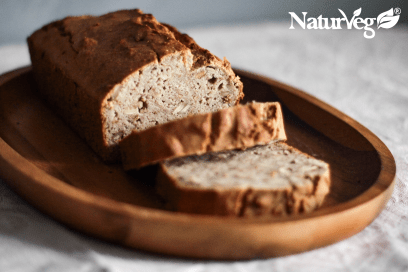
Homemade vegan protein bread

Definizione muscolare e dieta vegana: come procedere
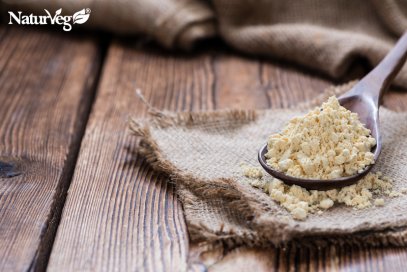
Vegan protein supplements: what they are and how to take them
Recent reviews
-
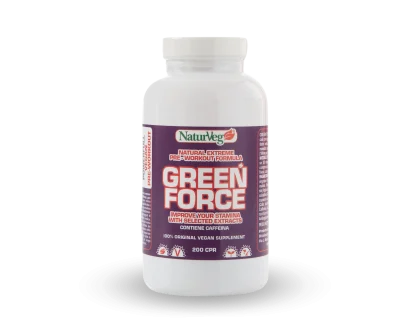 GREEN FORCE - Vegan Pre-Workout - 200 compresse
by maddalena.roversi
-
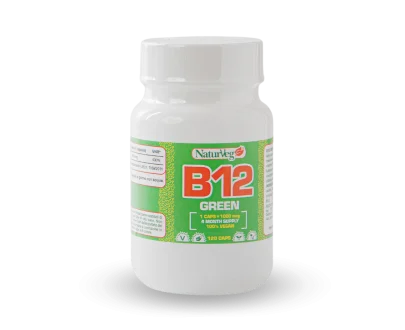 B12 GREEN - Integratore di Vitamina B12 - 120 compresse
by Cristiana
-
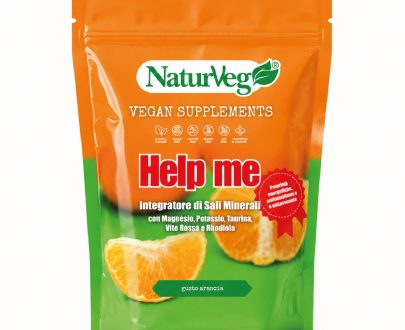 HELP ME - Integratore di Sali Minerali Energetico - 900g
by Syl